Mastering Modern Editorial: Fashion Magazine Layout Design
There is a distinct electricity that comes with holding a high-end fashion magazine. It isn’t just the paper stock or the photography; it is the architecture of the page. A successful Fashion Magazine Layout Design acts as an invisible guide, leading the reader’s eye through a visual narrative with precision and elegance. For designers, entrepreneurs, and content creators, capturing this aesthetic is often the difference between a project that feels amateurish and one that exudes authority. If you have been searching for a way to bring that polished, contemporary vibe to your work without starting from scratch, the solution lies in a meticulously crafted template structure.
The Anatomy of a Polished Visual Narrative
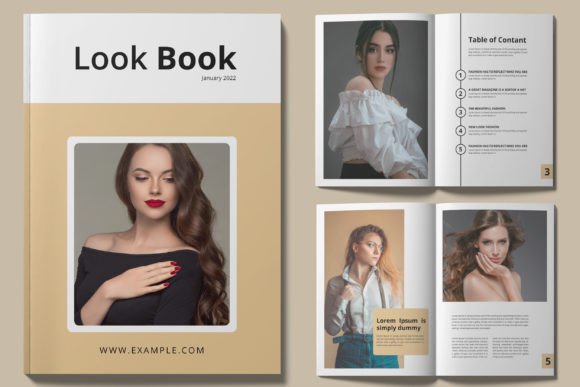
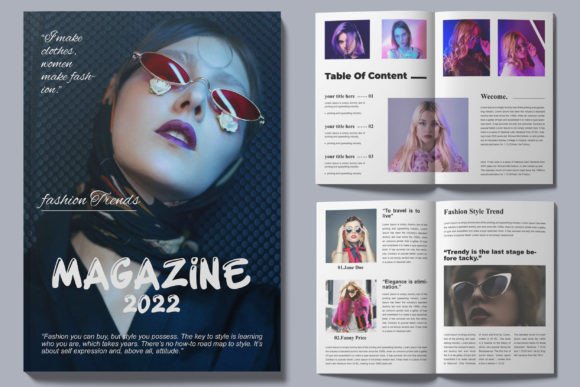
When we talk about a Fashion Magazine Layout Design, we are discussing more than just where to place text and images. We are talking about visual personality. This type of design is characterized by a "less is more" philosophy where whitespace is treated as a design asset just as valuable as the content itself. The visual style is typically clean, minimalist, and grid-based, relying on sharp lines and balanced composition to create a sense of luxury.
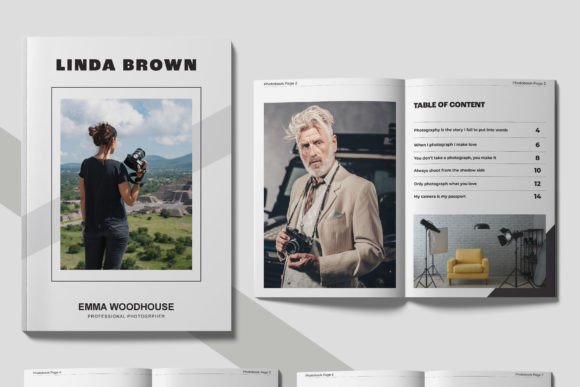
The appeal of a well-organized layout lies in its versatility. Whether you are working on editorial design for a boutique clothing line or a digital catalog for a lifestyle brand, the structure needs to adapt. A professional Fashion Magazine Layout Design usually employs a modular grid. This allows you to swap out heavy text blocks for full-bleed imagery without disrupting the flow. It is this balance of structure and flexibility that makes the design feel contemporary. It respects the content, allowing photography and typography to breathe, which instantly elevates the perceived value of the material.
Strategic Applications: From Print to Pixel
One of the most common misconceptions about magazine templates is that they are only useful for publishers. In reality, a high-quality Fashion Magazine Layout Design is a powerhouse tool for a wide range of industries. For the small business owner or entrepreneur, this layout serves as a foundation for lookbooks and product catalogs. The grid system inherent in these designs ensures that your product photography looks consistent and professional, which is crucial for building trust.
For digital marketers and bloggers, the principles of this layout translate beautifully to web design and social media graphics. The way a magazine spreads content across a page—balancing pull quotes, sidebars, and hero images—can be repurposed for long-form blog posts or Instagram carousels. If you are a brand strategist, using a cohesive Fashion Magazine Layout Design helps solidify brand identity. It creates a visual language that your audience recognizes instantly, whether they are reading a PDF on their tablet or flipping through a printed brochure. It is particularly effective for industries like beauty, interior design, travel, and luxury goods, where visual storytelling is paramount.
The Psychology of Readability and Hierarchy
Design is ultimately about communication, and a cluttered layout kills the message. This is where the specific features of a robust Fashion Magazine Layout Design come into play. By utilizing a well-organized layer structure, you create a clear visual hierarchy. The reader knows exactly where to look first, second, and third. This reduces cognitive load and keeps them engaged with the content longer.
Consider the typography. A modern layout often pairs a bold display font for headlines with a legible sans serif font or serif font for body text. This contrast creates rhythm. However, the layout itself dictates the readability. If the columns are too wide or the margins too tight, even the best premium font will fail. A professional template solves this by pre-calculating these ratios. When you use a template that is 100% editable, you have the power to adjust these typographic settings to match the specific voice of your brand, ensuring that the personality of the text aligns with the imagery.
Practical Guide to Selection and Implementation
When selecting a Fashion Magazine Layout Design for your next project, you need to look beyond the surface aesthetics. The value is in the technical execution. Here is a practical checklist for evaluating your design assets:
- Software Compatibility: Ensure the template is compatible with industry-standard software. A template built for InDesign (INDD) is ideal for complex multi-page documents, offering robust control over styles and master pages.
- Color Schemes: Look for files that utilize a CMYK Color scheme. This is non-negotiable for professional printing, ensuring that the colors you see on screen match the final physical product.
- Font Licensing: Check if the design uses a free font or if you need to purchase a commercial font license. Many high-quality templates include links to free fonts to keep your costs down while maintaining a high-end look.
- Layer Organization: A chaotic file wastes time. You want a file where assets are grouped and labeled logically. This allows for "instant download" to "instant editing" without frustration.
Furthermore, do not be afraid to mix elements. You might love the cover of one Fashion Magazine Layout Design but prefer the article spread of another. Because these templates are editable, you can treat them as modular design assets. Test different font pairings. Swap a script font for a handwritten font to see how it changes the emotional tone of the piece. The goal is to find a layout that serves the content, not the other way around.
Efficiency Meets Elegance
Ultimately, the goal of using a pre-structured Fashion Magazine Layout Design is efficiency. As a creative professional, your time is best spent on strategy and content creation, not wrestling with text boxes and image frames. By leveraging a template that is print ready and professionally designed, you bypass the technical headaches of setup. You get to focus on what matters: telling your story. Whether you are crafting a lookbook for a new clothing line, a portfolio for your photography, or a marketing brochure for a client, the right layout provides the polished, contemporary foundation you need to impress your audience.