Certificate Template: A Modern Classy Design for Professionals
Finding the right design asset for formal recognition can often feel like a chore. You need something that communicates prestige and gratitude without looking outdated or overly gaudy. This is where the concept of a Simple Modern Classy certificate shines. It strikes that perfect balance between contemporary aesthetics and traditional professionalism. When you are tasked with creating a Certificate of Appreciation for a company, volunteer group, or educational institution, having a high-quality starting point is half the battle.
The Visual Language of Modern Professionalism
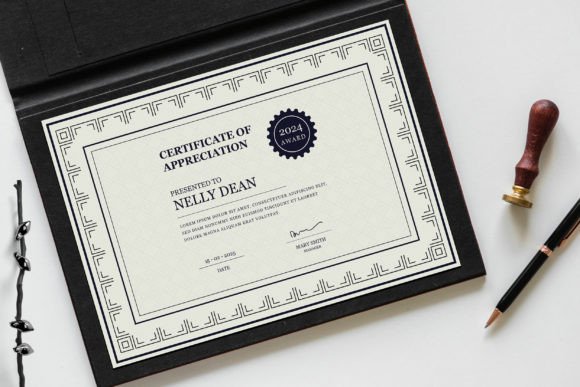
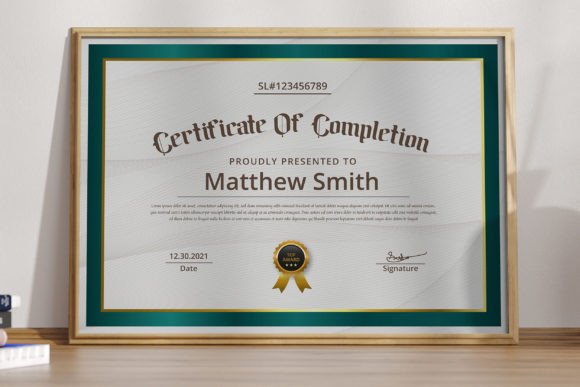
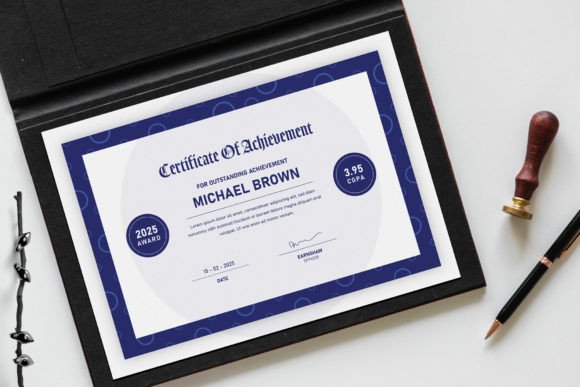
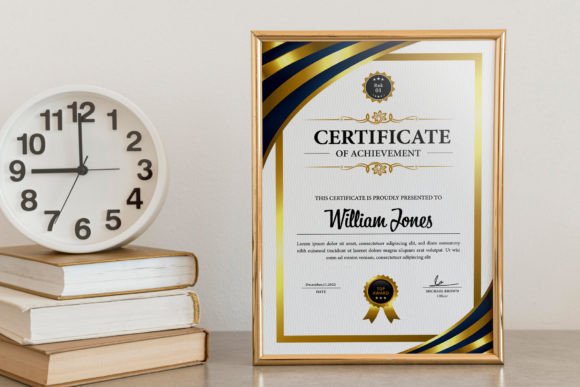
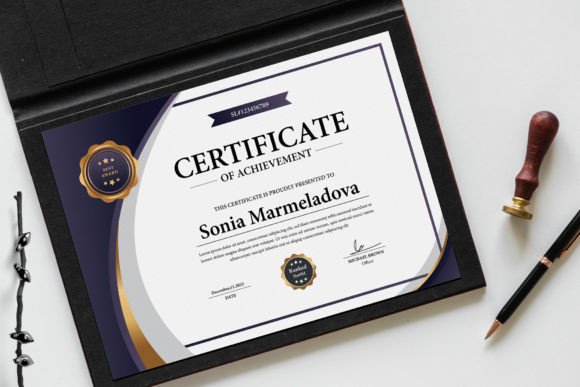
The "Simple Modern Classy" design philosophy relies on clean lines and deliberate white space. Unlike older certificate designs that might rely on heavy filigree or cluttered borders, this approach focuses on clarity. The layout typically features a strong typographic hierarchy, guiding the eye from the recipient's name to the reason for the award. This style of design asset is particularly effective because it feels fresh yet timeless. It avoids trendy graphics that might look dated in a year, focusing instead on solid composition.
When we talk about the visual personality of this template, we are looking at a blend of sophistication and approachability. It is professional enough for a corporate boardroom but warm enough for a community appreciation event. The structure allows the content to breathe. By using a modern layout, you ensure that the certificate looks just as good framed on a wall as it does displayed digitally on a social media feed. The design relies on the strength of the typography and the balance of the elements rather than decorative clutter.
Why File Compatibility Matters for Your Workflow
One of the most practical aspects of this specific Certificate Template is its versatility across different software environments. As a designer or business owner, you likely have a preferred toolset. This template accommodates that by including Illustrator (EPS), Photoshop (PSD), and MS Word (DOCX) files.
For those comfortable with vector graphics, the Illustrator (EPS) file offers the most control. You can scale elements infinitely without losing quality, which is crucial if you decide to print large format versions or modify the layout significantly. It allows for deep customization of the design assets.
The Photoshop (PSD) file is ideal for designers who want to play with textures, lighting effects, or integrate the certificate into a larger mockup scene. It preserves the layers well, making it easy to isolate specific elements for editing.
However, the inclusion of the MS Word (DOCX) file is what makes this accessible to everyone. Small business owners, office managers, and event organizers who may not have Adobe Creative Cloud can still produce a professional-looking document. It democratizes good design. You do not need to be a typography expert to create something beautiful; you just need to be able to edit text in a familiar word processor.
Customizing the Template for Brand Consistency
Brand identity is about consistency. Whether you are a freelancer, a startup, or an established agency, your visual language needs to be cohesive. This Certificate Template is designed with that in mind. It uses a CMYK color scheme, which is the standard for professional printing. This ensures that what you see on your screen is very close to what you get from the printer, avoiding those disappointing washed-out colors that sometimes happen with RGB files.
The ability to easily change colors is a critical feature. If your brand identity relies on a specific shade of navy blue or a muted sage green, you can apply that to the certificate with minimal effort. This transforms a generic template into a bespoke piece of brand collateral. Furthermore, the use of free fonts means you do not have to worry about additional licensing costs for the typography, which is a common hidden expense in design projects.
Practical Applications Beyond the Office
While this is marketed as a professional tool, its applications extend into various creative and personal realms. Consider the following use cases where this modern classy style excels:
- Corporate Training: When employees complete a course, a well-designed certificate validates their effort. The professional look reinforces the value of the training program.
- Community Events: Non-profits and local groups often need to recognize volunteers. This template allows them to create high-quality awards on a tight budget.
- Educational Settings: Teachers and administrators can use the Word version to quickly generate awards for students, maintaining a standard of excellence in their documentation.
- Creative Contests: If you are running a design challenge or a writing competition, the winner expects a certificate that looks as good as their achievement.
Design Tips for a Polished Final Product
Even with a ready-made template, a few design considerations can elevate the final result. First, pay attention to the typography. Since the layout is minimal, the font choices are prominent. Ensure the font size for the recipient's name is significantly larger than the descriptive text. This creates a clear visual hierarchy.
Second, consider the paper stock. If you are printing this at home or in the office, using a heavier cardstock (like 80lb or 100lb cover) adds a tactile sense of quality. A flimsy paper can undermine even the best design.
Third, review the spacing. Do not overcrowd the certificate with too much text. Keep the citation short and impactful. The negative space is part of the design's elegance; let it work for you.
Finally, ensure you have the correct commercial licensing if you plan to use this for client work. This template is designed for such flexibility, but it is always best practice to verify the terms. This asset is not just a file; it is a tool to streamline your production process and maintain high standards of professionalism.
Ultimately, a Certificate of Appreciation is more than just paper and ink. It is a tangible representation of recognition. By using a template that balances modern design with classic sensibilities, you ensure that the recognition feels as significant as the achievement itself.